Plan a Short Card-Show Visit Around One Clear Goal
Choose a purpose, check the event details, budget travel and browsing time, and give a short card-show visit a clear finish.
Managing and prioritizing free timeTime management strategiesPlan a Short Card-Show Visit Around One Clear Goal
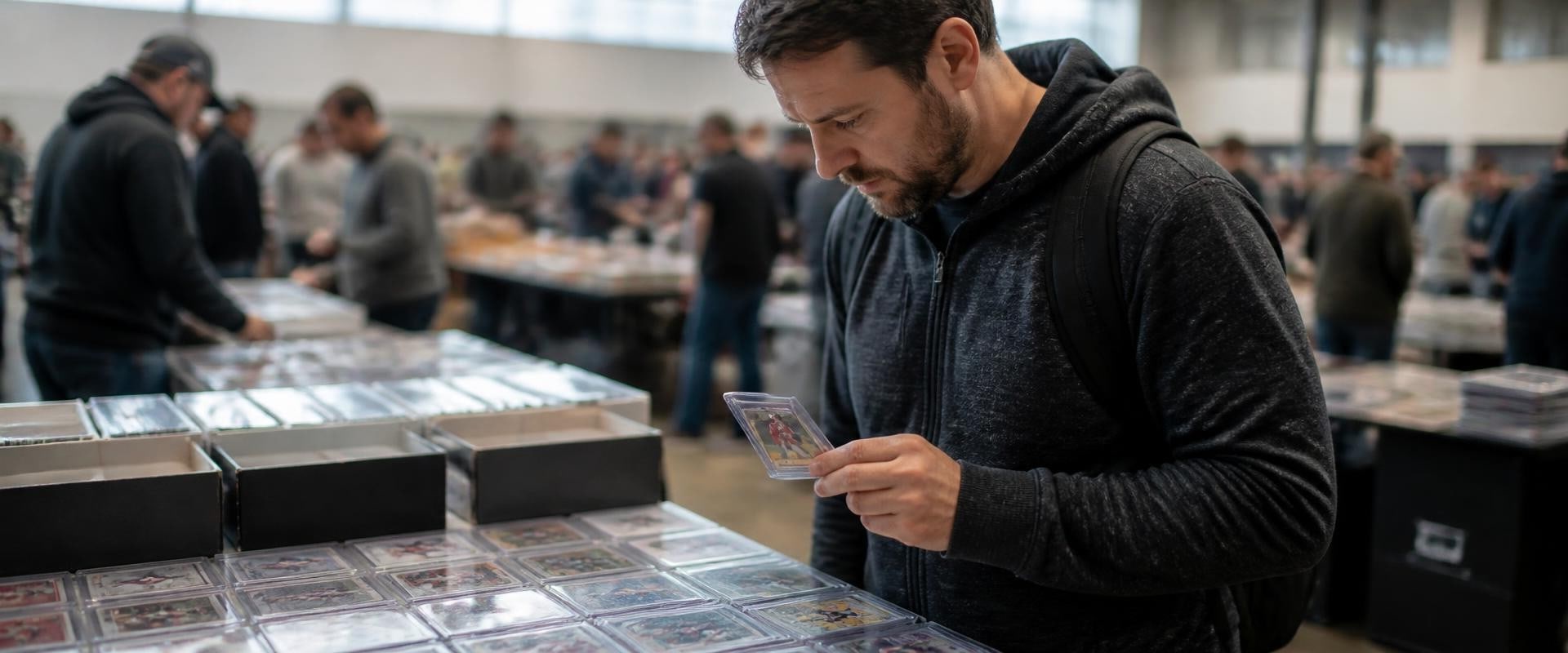
A card show can be a manageable leisure outing even when you have only part of a day free. The useful starting point is one purpose and a realistic return time. Trying to inspect every table, meet every seller and complete a collection can turn a short visit into an open-ended task.
Write a plan you can follow without repeatedly checking your phone. A few event details, one main activity and a departure time are enough to give the visit shape.
Choose one result you can control
Make the goal an activity rather than an outcome that depends on another person. “Browse the illustrated cards at three tables” is something you can attempt within a limited visit. “Find a particular card at my preferred price” depends on stock and a seller's decision.
Keep an optional second activity separate. You might browse a different section if the main activity finishes early. An optional activity should be easy to skip without making the outing feel unfinished.
Decide whether you are browsing, asking identification questions or considering purchases. If spending is part of the plan, set your own limit beforehand. Completing the outing does not require buying anything.
Confirm the details that determine your timing
Use the organizer's current information to check the date, venue address, public entry hours and any entry requirements. Distinguish public opening time from seller setup or other restricted periods. Check the travel arrangements you actually expect to use rather than borrowing someone else's estimate.
rip.fan's guide to finding a card show provides related event-finding guidance. Confirm the final venue, schedule and admission details with the organizer before building your visit around them.
Publisher disclosure: this website and rip.fan share an owner.
If a detail would determine whether you can attend, resolve it before leaving. Examples include accessible entry, an age-related admission rule or whether the advertised activity occurs during your available hours. Do not assume an unanswered question will work out on arrival.
Work backward from when you need to be home
Include both travel directions, time to enter, browsing time and time to leave. Keep a little unassigned time instead of filling every minute. A plan that fits only when every step takes its shortest possible time is fragile.
Here is an invented schedule for someone who wants to be home by 13:00. The travel and entry times are assumptions for this example, not estimates for a real show:
- 10:00–10:45: Travel to the venue.
- 10:45–11:00: Reach the entrance and complete entry.
- 11:00–12:00: Browse with one main purpose.
- 12:00–12:10: Finish the current conversation and leave.
- 12:10–12:55: Travel home, leaving five minutes before the limit.
The full plan uses two hours and 55 minutes. If the outward journey takes 15 minutes longer, the same return deadline leaves 15 fewer minutes inside. Shorten the optional browsing rather than quietly moving the deadline. If the remaining visit would be too rushed, choosing another occasion is a reasonable result.
Keep the plan usable inside the venue
Save the event address and your departure time somewhere easy to find. Bring only the notes you need for the chosen activity. A short checklist is easier to use than your entire collection record.
On arrival, locate the exit and check any posted changes relevant to your plan. Ask before photographing a table or another person's cards, and follow the event's rules. Leave enough room in the schedule to stop a conversation politely rather than starting something lengthy at departure time.
Finish with one useful note
Afterward, record what made the visit enjoyable and what you would change next time. Perhaps the travel estimate was short, or one section deserved a longer visit. Keep that observation separate from a promise to return or buy something.
A completed short visit can mean that you enjoyed an hour of browsing and came home on time. Let the plan support your free time instead of turning every hobby outing into a list that must be finished.

Leanne Persten
Leanne Persten is a lifestyle writer and productivity coach who helps busy professionals reclaim their free time. With a background in organizational psychology, she writes about time management, hobby exploration, and building a fulfilling life outside of work. Leanne has been featured in several wellness publications and runs workshops on work-life balance strategies.


