Prepare a Small Card-Trade List Before a Hobby Meetup
Choose a manageable trade group, record card identity and visible observations, and keep proposed arrangements separate from completed exchanges.
Hobbies and leisure activitiesIndoor activitiesPrepare a Small Card-Trade List Before a Hobby Meetup
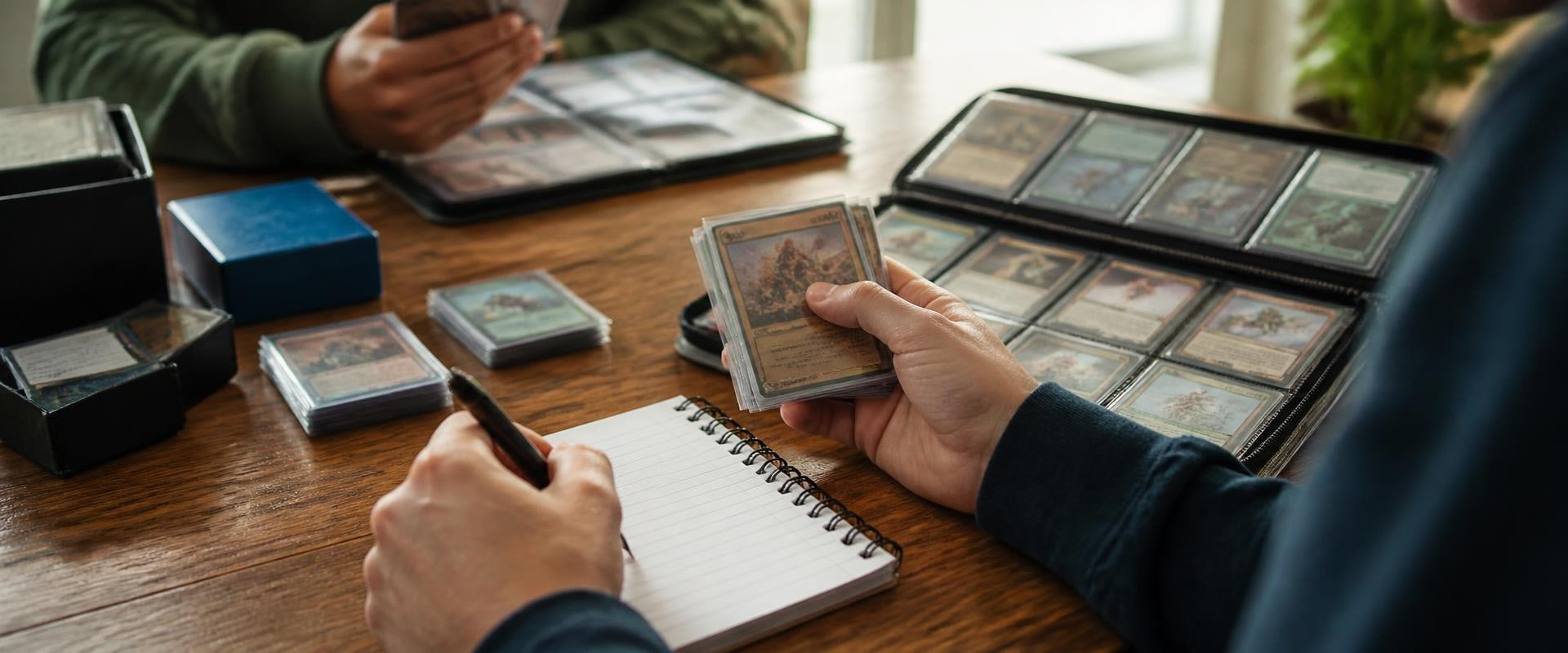
A small trade list can make a hobby meetup easier to enjoy. Instead of opening every binder and trying to remember what you might part with, prepare a short group of cards you are willing to discuss and a few interests you would like to explore.
Keep the list separate from your complete collection inventory. Its purpose is to support a conversation at this meetup, not to advertise every card you own or commit you to an exchange before you have considered it.
Choose the cards you want to discuss
Start with a manageable group. Leave out cards you have promised to someone else, cards you do not own and items you are unsure you want to trade. A card can remain in your collection simply because you enjoy it.
Identify the physical copy you intend to bring. If two copies share the same set and card number, use your own copy ID or a clear location note to distinguish them. Verify the item against the list while packing, rather than relying on a remembered description.
Check the organizer's rules before assuming trading is allowed. A public event, shop gathering and private meetup can have different arrangements. Make the plan for the actual gathering you will attend.
Use a few fields that answer real questions
Record enough detail to identify each item: game or sport, maker, set, card number and the version you have confirmed. Keep unknown details explicitly unresolved. Add brief visible condition observations if they matter to the discussion, without presenting those observations as a professional grade or authentication.
A fictional two-row list could look like this:
- T01: Fieldnote Cards, Lantern Trails, card LT-041, nonfoil version; light crease beside the upper-right frame; available to discuss.
- T02: Fieldnote Cards, Lantern Trails, card LT-096; back stamp differs from the checklist entry, printing unresolved; identification question only, not offered for trade.
These are invented items for demonstrating the record. The second row shows why a list can contain a question without treating the item as ready for an exchange.
Make your want list broad enough for a conversation
Write a few interests in plain language. You might want an illustration from a particular series or a missing number in a checklist. Separate an exact requirement from a preference so another person does not have to guess what you mean.
Leave space for questions and notes. If someone suggests an unfamiliar version, record the name and verify it later rather than changing your identification on the spot. A useful conversation does not have to end in a transaction.
If you privately note a value or limit, include where it came from and when you checked it. That note records your preparation, not an agreed trade value. This method does not appraise cards or predict what another collector will accept.
Separate preparation from a completed trade
Use clear status words. “Available to discuss” means you are open to a conversation. “Reserved” should describe a specific arrangement you actually made, with any conditions still visible. “Traded” belongs only on a completed exchange.
If the meetup is part of a show, rip.fan's first-card-show guide offers broader event context. Check the organizer's trading rules separately, and treat your prepared list as a conversation aid rather than a promise that any card is available or any deal will be accepted.
Publisher disclosure: this website and rip.fan share an owner.
Before agreeing, identify the exact items on each side and resolve any questions about which physical copies are involved. Keep a proposed arrangement separate from a finished exchange. If you need more information or simply change your mind before agreeing, say so plainly rather than marking the list complete.
Reconcile the list when you return
Compare what you brought home with your notes. Update the status of completed exchanges and remove any reservation that the other person released. Keep only the minimal information you need to understand what happened; there is no need to collect unrelated personal details about another attendee.
For cards that left or arrived, update the relevant inventory and photo references. Then return untraded cards to their recorded locations. A short closing check prevents a temporary meetup list from becoming a second, conflicting version of your collection record.

Leanne Persten
Leanne Persten is a lifestyle writer and productivity coach who helps busy professionals reclaim their free time. With a background in organizational psychology, she writes about time management, hobby exploration, and building a fulfilling life outside of work. Leanne has been featured in several wellness publications and runs workshops on work-life balance strategies.


