Lend a Board Game With a Clear Return Checklist
Make lending a board game easier with a small component check, agreed return plan, and a reusable note that separates missing pieces from packing mistakes.
Hobbies and leisure activitiesIndoor activitiesLend a Board Game With a Clear Return Checklist
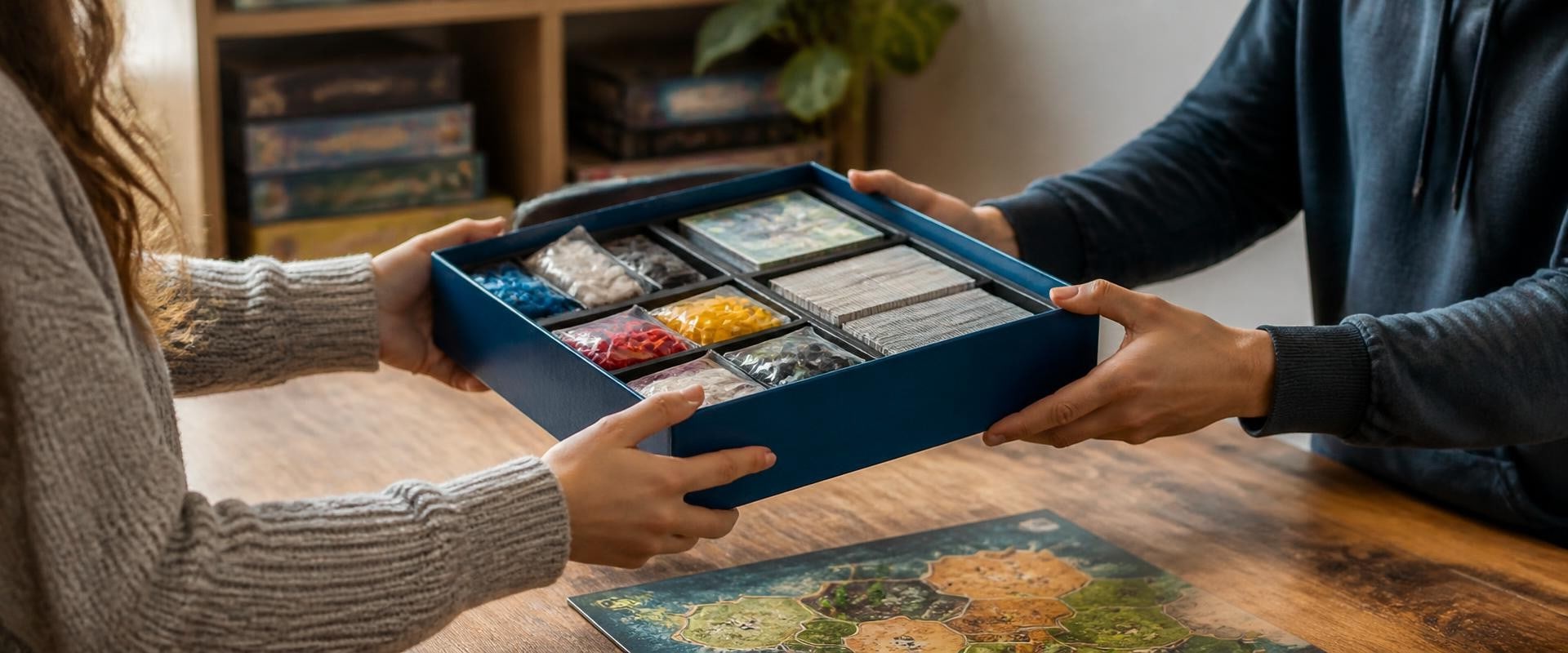
Lending a board game is easier when both people know what is leaving the shelf and how it should come back. A short note and a few deliberate checks can remove guesswork without turning a friendly loan into an inspection ceremony.
The checklist below is a suggested arrangement between people who already want to lend and borrow a game. It is not a contract, an insurance promise, or a guarantee against damage. If an item is too valuable or personally important to lend comfortably, choose another game or offer to play together.
Agree on the game and the occasion
Confirm the exact box you intend to lend. A base game, an expansion, and a combined storage box may look like one item while containing very different sets of pieces. Say whether extra player aids, upgraded pieces, or homemade accessories are included.
Ask when the borrower expects to use it and agree on a realistic return date. If you need the game for your own gathering, say so before handing it over. “Return by Sunday afternoon because I need it Monday” leaves less uncertainty than “whenever you are finished.”
Agree how the return will happen. Handing it back at a regular meetup may be simpler than arranging a separate trip. If the date no longer works, the borrower should contact the owner rather than assume an extension.
Check the box before it leaves
Use the component list supplied with the game, if there is one, to identify what belongs in the box. Treat that list as the reference for the particular edition. Do not guess a count from a similar edition or from another person's copy.
A full count may be worthwhile for a small game. For a large game, decide together how much checking is practical. You might count the pieces essential to play and confirm the remaining groups are present. Record any group you did not count instead of implying that every component was verified.
Notice existing issues without trying to fix everything. A missing marker, a split box corner, or a replacement pawn can go in the note. This helps the borrower distinguish an old issue from something that happened during the loan.
Pack by group, not by memory
Use the game's existing compartments or bags where possible. Keep pieces that belong together in identifiable groups. A photograph of the open box can show the arrangement, but it does not prove that every card or token underneath was present.
Keep any labels separate from cards or painted pieces unless you already know the labeling method is suitable. A loose paper note beside a bag is enough for this purpose. Do not attach tape to the components simply to make the checklist look tidy.
If a specific packing order matters to close the lid, demonstrate it or add one sentence to the note. The borrower should not have to force the lid down or reconstruct a complicated storage system from memory.
Use a short loan note
Here is an invented example for an imaginary game called Harbor Routes. The quantities illustrate the note format; they are not a component list for a real product.
- Loan: Harbor Routes base box only; no expansion.
- Checked together: one board, four player pawns, and six route tiles.
- Not individually counted: cards in the blue bag.
- Existing issue: one box corner is split; the yellow pawn is a replacement.
- Packing: board on top; route tiles in the small bag.
- Return: Sunday afternoon, handed directly to the owner.
Add any agreed handling preferences, such as keeping food away from the play surface. Keep the list short enough that the borrower will actually read it. Do not include unnecessary personal information or share the note publicly.
Separate a packing problem from a missing piece
At return, compare the same groups you checked at handover. If something seems absent, look through the insert, bags, and other component groups before concluding that it is lost. A piece in the wrong compartment is a packing issue, not yet a missing item.
If a component is genuinely missing or damaged, describe what happened and discuss the next step with the owner. Do not order a replacement or alter a piece without agreement. A substitute that works in play may still be unwanted in someone else's copy.
Finish by confirming the game is back and closing the note. Keep only information that remains useful, such as a new packing instruction or a component still awaiting resolution. A clear ending matters as much as a clear handover.

Leanne Persten
Leanne Persten is a lifestyle writer and productivity coach who helps busy professionals reclaim their free time. With a background in organizational psychology, she writes about time management, hobby exploration, and building a fulfilling life outside of work. Leanne has been featured in several wellness publications and runs workshops on work-life balance strategies.